
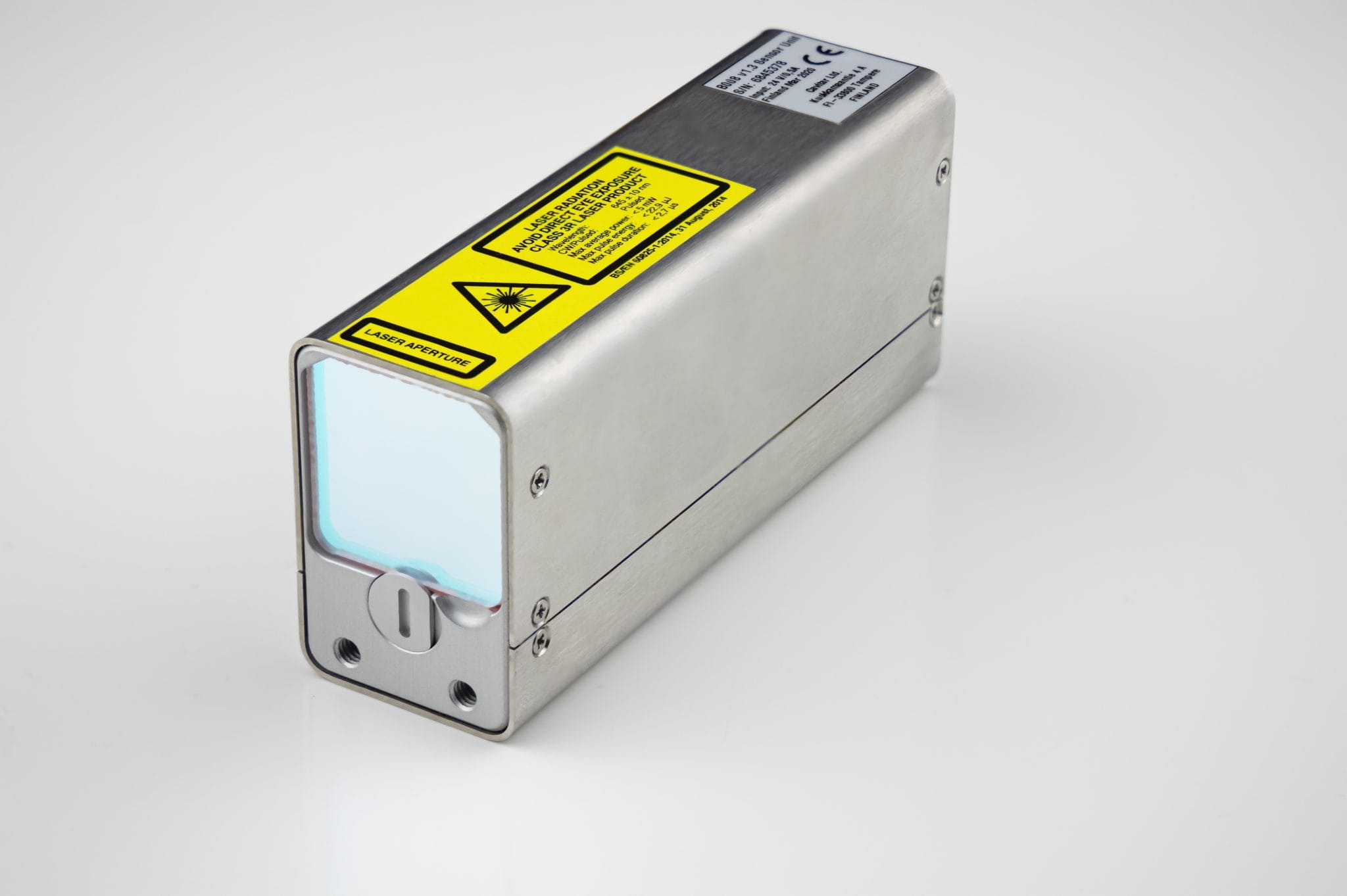
Cavitar welding camera
The core of the welding process emits very bright light that "blinds" the eye as well as normal camera systems — without special visualisation techniques, proper visual monitoring of a welding process is impossible. Cavitar Welding Cameras enable clear visualisation of welding processes as if they were cold, with solutions ranging from a complete, compact ready-to-use visualisation package (including camera, integrated laser illumination, and optics) through to highly customisable systems built to specific customer requirements.
Cavitar Welding Cameras are applicable for all major arc welding processes, including GMAW (MIG, MAG) and TIG, as well as all major beam welding processes including CO2 laser, fibre laser, diode laser, Nd:YAG laser, and electron beam applications.
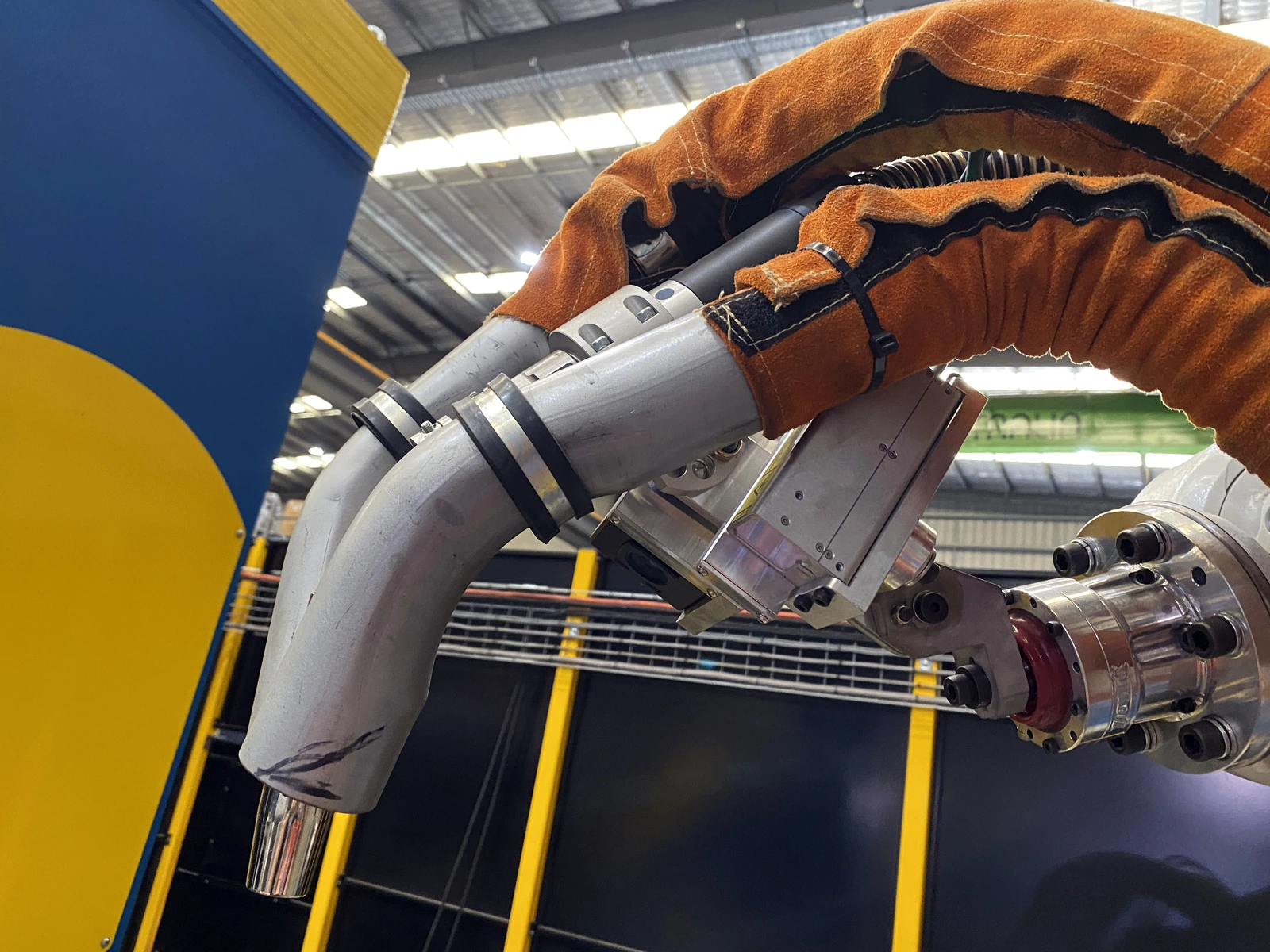
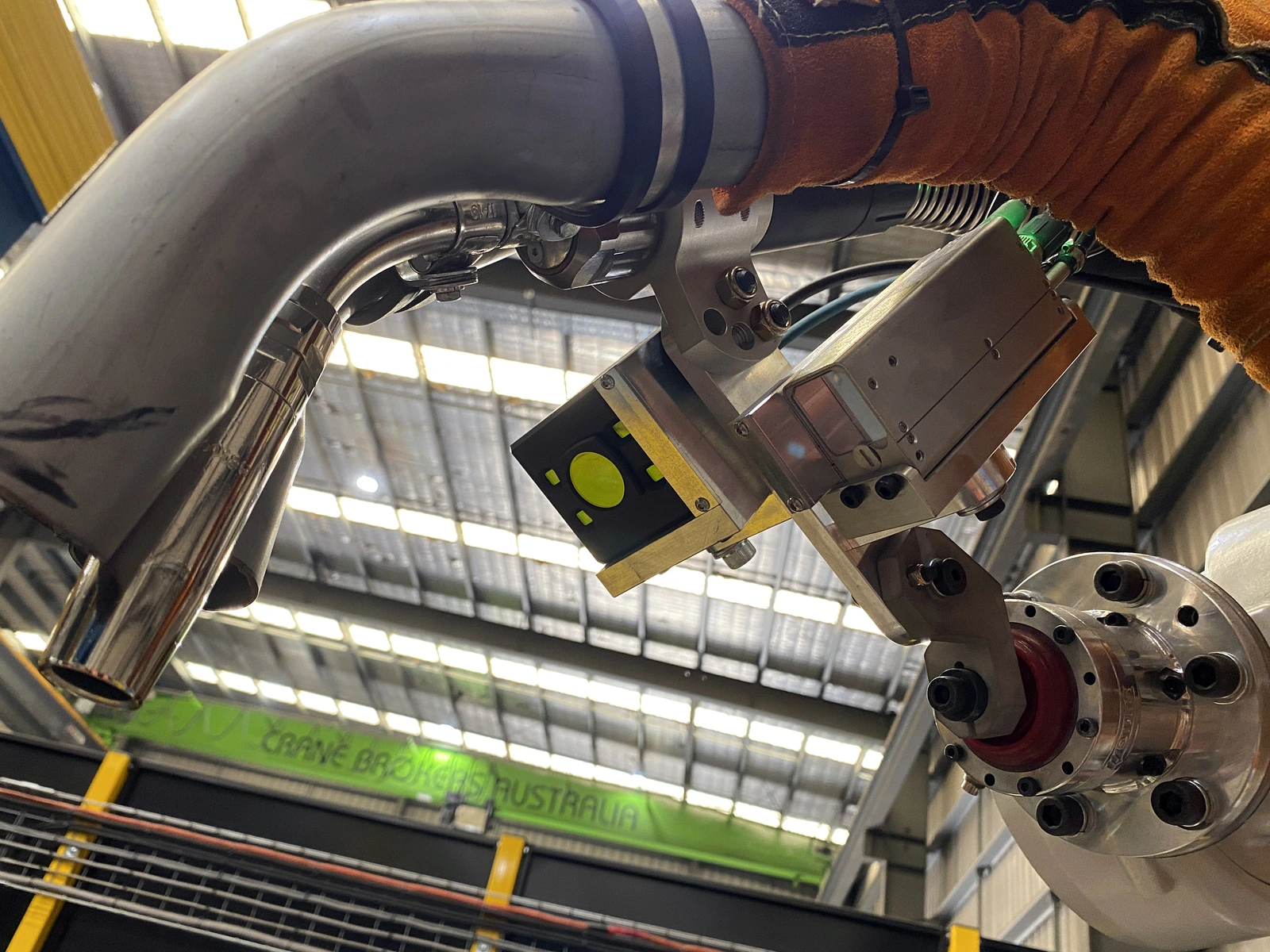
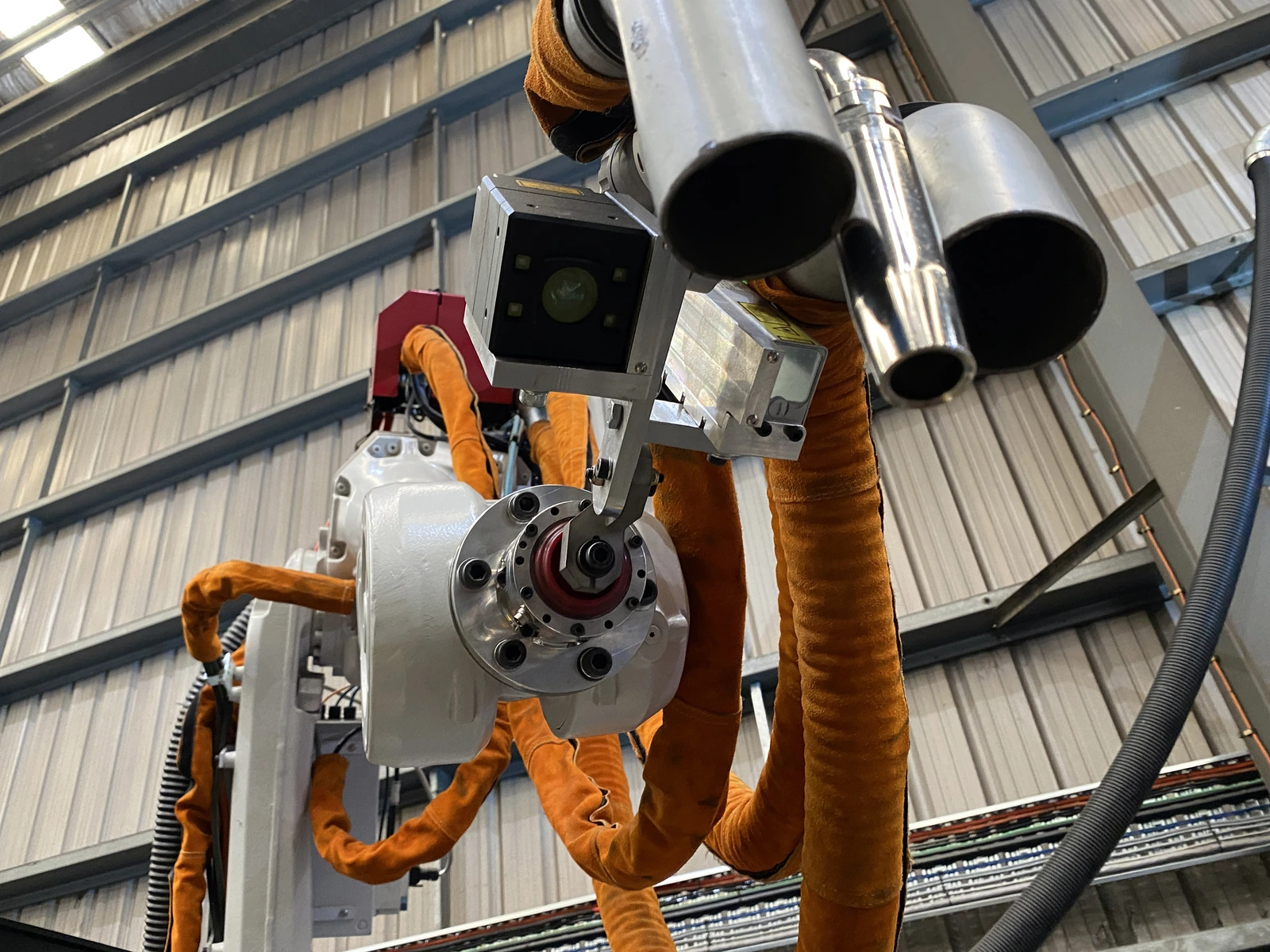
Benefits
- Welders and operators can adjust the process in real-time based on the images
- Images can be used for image analysis and automation
- Images or videos can be stored for quality documentation
- Fast error detection reduces scrap
- System can be operated from a safe distance to the process
- Improved working ergonomics for the welder
- Reduced risk of inhaling unhealthy welding fumes
- Faster set-up time for welding processes
- High image quality
- Compact system for easy integration
- Plug and play operation
- Robust and suitable for 24/7 industrial use
- Laser class 3R solutions are possible
Applications
Cavitar Welding Camera is used across a wide range of welding processes:
- GMAW welding (MIG, MAG)
- TIG welding
- Hybrid welding (laser and arc welding)
- Laser welding (e.g. CO2, Nd:YAG, fibre and disc lasers)
- Electron beam
- Robot welding
- Semi-automated welding
- Linear welding
- Orbital welding
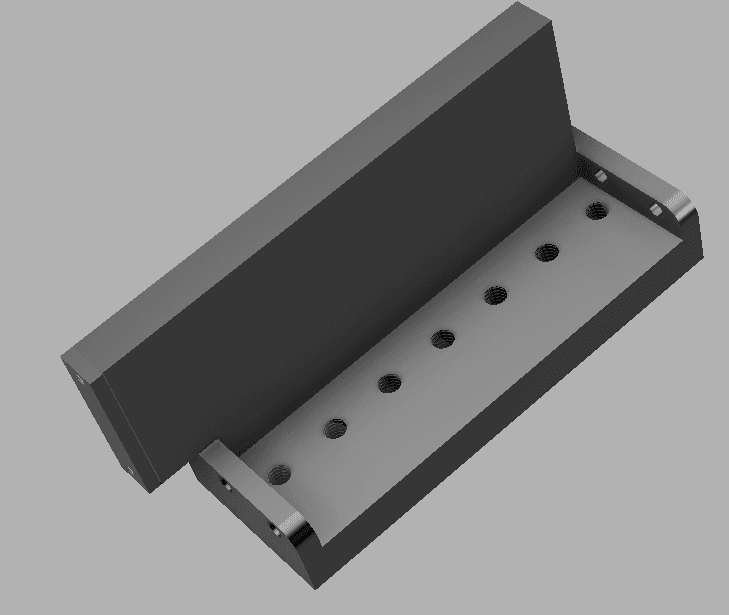
Mounting bracket
Built and deigned by Avweld Australasia for the Cavitar Camera.
Ask our sales rep when enquiring about the Cavitar camera.
Why is special visualisation technology needed to monitor welding?
The core of the welding process emits very bright light that blinds both the human eye and normal camera systems, making proper visual monitoring of the welding process impossible without special visualisation techniques.
What welding processes is the Cavitar Welding Camera compatible with?
It's applicable for all major arc welding processes including GMAW (MIG, MAG) and TIG, as well as all major beam welding processes including CO2 laser, fibre laser, diode laser, Nd:YAG laser, and electron beam applications.
Can the Cavitar Welding Camera be used for robotic or automated welding?
Yes — applications include robot welding, semi-automated welding, linear welding, and orbital welding, alongside manual processes.
How does the Cavitar Welding Camera improve welder safety?
The system can be operated from a safe distance to the welding process, improves working ergonomics for the welder, and reduces the risk of inhaling unhealthy welding fumes.
Can footage from the Cavitar Welding Camera be used for quality documentation?
Yes — images or videos can be stored for quality documentation, and images can also be used for image analysis and automation.
Is the Cavitar Welding Camera suitable for continuous industrial use?
Yes — it's robust and suitable for 24/7 industrial use, with plug and play operation and a compact system designed for easy integration.